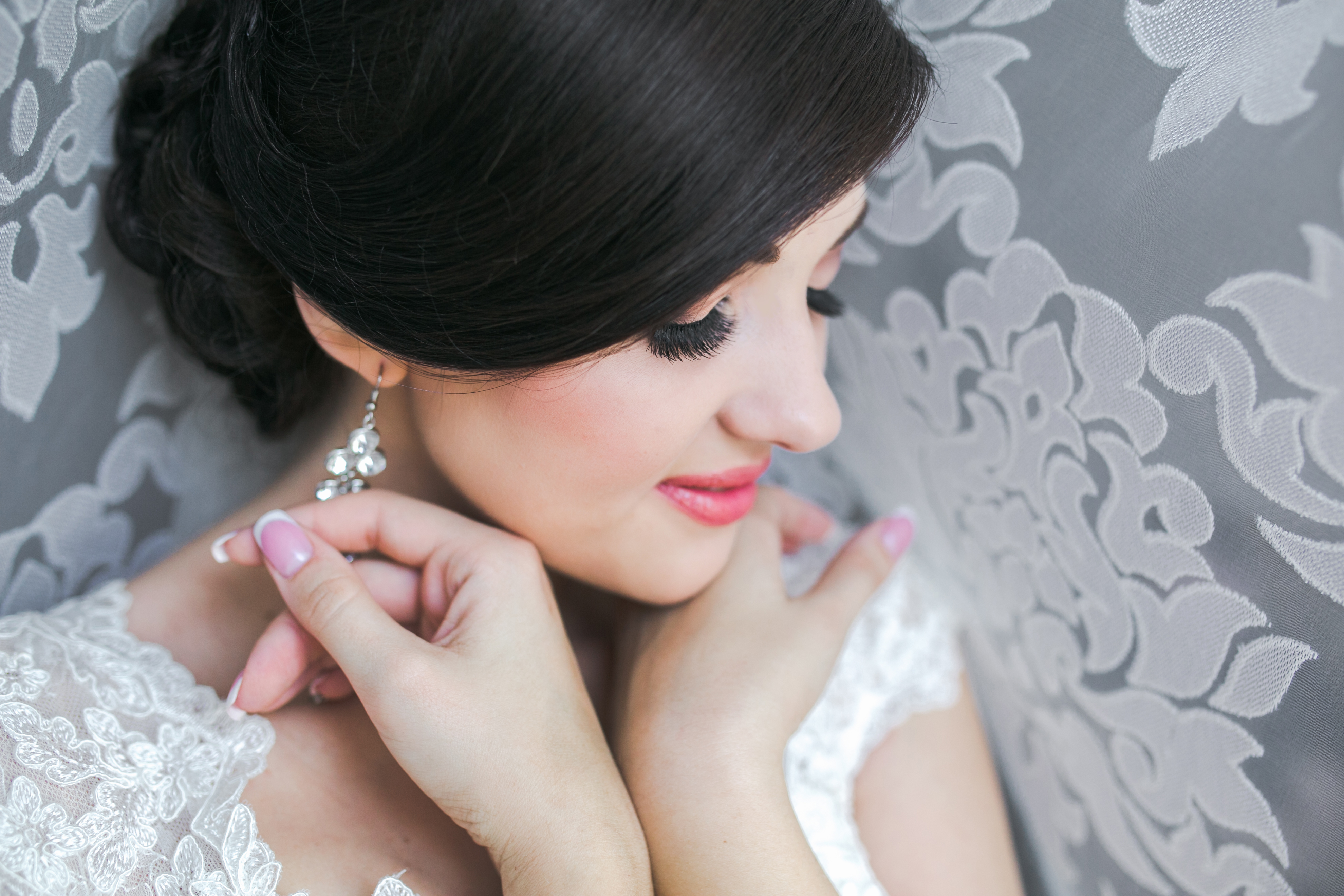
Diamond Earrings Remain A Classic Choice For Everyday Elegance
Diamond earrings are a versatile jewelry category that combines diamond brilliance with wearable proportions and a wide range of designs. Diamond shape, carat weight, setting, metal, and style all shape the final look, and the range runs from compact studs to larger hoops and drops. That variety lets them suit both casual and formal settings while keeping a refined appearance.
What Makes Diamond Earrings an Everyday Classic?
Diamond earrings have stayed relevant because they do not depend on any single fashion trend. A well-chosen pair is simple enough for regular wear and still gives an outfit some definition. Design, diamond size, setting, metal, and proportions all affect the result, but the idea is basic: a small amount of sparkle goes a long way.
Variety is part of the appeal. Some pairs are barely noticeable until light hits them, and others are made to be seen. Before buying, there are a few details worth checking:
- Diamond size and shape: These will determine how visible the earrings are.
- Setting and metal: Both affect the look and how the pair will work with other jewelry.
- Fit and comfort: The earrings should feel secure and comfortable all day long.
Not every pair needs to be formal or elaborate, and often the simplest design is the one that gets worn the most.
How Diamond Stud Earrings Suit Everyday Wear?
Diamond stud earrings are among the most straightforward choices out there. Their compact shape sits close to the ear and works well with anything from casual clothes to dressed-up outfits. Round diamonds are the familiar choice, though princess, oval, and cushion shapes give studs a slightly different character.
Comfort matters almost as much as appearance for daily use. The backing should hold the earring firmly, and the size and weight should stay comfortable after several hours. A smaller pair also works well when the aim is a quiet detail rather than a statement.
Three points are worth comparing when choosing studs:
- Diamond size and total carat weight
- Setting style: prong, bezel, or another type
- Earring back: how securely it closes
A good pair of studs needs little explanation. Once they are in, they do their job without any attention.
When to Choose Diamond Drop or Dangle Earrings?
Not every pair of diamond earrings has to sit against the earlobe. Diamond drop earrings and diamond dangle earrings add length and movement, which makes the stones more noticeable as the wearer moves. The two are related but different: drop styles usually have a fixed hanging element, while dangle styles tend to move more freely. That difference changes the overall effect quite a bit. A short drop can still feel restrained, whereas a longer dangle looks more decorative. How much movement and detail you want is usually what decides between them.
Length and weight come first. Longer earrings feel heavier, especially over several hours of wear, so the most striking pair in the display case is not always the most comfortable in daily use. It is also worth checking whether the design swings freely or stays mostly still, and how the proportions work with the face and neckline.
Diamond Hoop Earrings for Versatile Styling
Diamond hoop earrings combine the classic round shape of a hoop with the glamor of diamonds. They can be subtle or elaborate, depending on the size, amount of diamond coverage, and setting.
Smaller hoops have a closer, more compact look and suit regular wear well. Larger hoops draw more attention, particularly when diamonds run around most of the design. Some styles place the stones along the front surface only, while others use more intricate arrangements.
These are the main points to compare:
- Hoop diameter and thickness
- Full or partial diamond coverage
- Closure type
- Overall weight on the ear
Hoops do not have to look overly formal. A simple pair can feel polished without making the rest of the outfit compete for attention.
How Diamond Huggie Earrings Differ From Hoops?
Diamond huggie earrings are a closer-fitting alternative to traditional hoops. They are usually smaller in diameter and designed to hug the earlobe. That compact profile gives them a different look from larger hoops, even though both share the same circular shape. Huggies suit anyone who wants some diamond detail without a dangling or extended silhouette, and the close fit makes them practical for everyday styling. Some designs carry diamonds across the front, while others keep the detailing more restrained.
The distinction is clearest in how each style uses space. Hoops leave more visible room around the ear, while huggies keep the look close and contained. Diamond coverage on huggies can range from subtle to quite noticeable, so the size difference is only part of what separates the two.
Conclusion
Diamond earrings appeal as much for their flexibility as for their sparkle. Studs are an easy go-to, drops and dangles add motion, hoops have a familiar silhouette with a little more detail, and huggies keep the whole look tightly contained. The best choice really comes down to comfort, proportions, how the diamonds are set, and what sort of presence the wearer wants. Often the pair that feels effortless is the one that ends up worn most days.
FAQs
Q. Are diamond earrings suitable for everyday wear?
Yes. Styles such as studs and smaller huggies are particularly practical for regular wear because they tend to be compact and easy to pair with different outfits. Comfort, secure backs, and appropriate weight are important considerations.
Q. What is the difference between diamond drop and dangle earrings?
Diamond drop earrings generally hang from the earlobe with a more fixed design, while diamond dangle earrings typically have greater movement. The difference can be subtle depending on the construction of the individual design.
Q. Are diamond huggie earrings smaller than diamond hoops?
Generally, yes. Diamond huggies are designed to fit closely around the earlobe and usually have a smaller diameter than traditional diamond hoops. Their compact shape gives them a more understated profile.
